
 English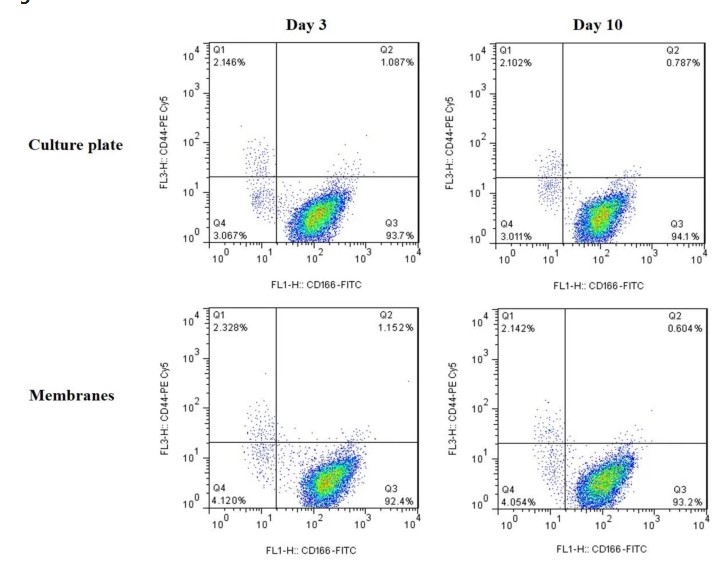
🟢 Overview: Transparent CSNP/PCL Scaffolds for Corneal Endothelial Engineering
This 2021 study in Scientific Reports describes the fabrication of biodegradable and transparent scaffolds using chitosan nanoparticles (CSNPs) and polycaprolactone (PCL), aiming to support human corneal endothelial cell (HCEC) culture and potential regenerative treatments.
🟡 Why Corneal Scaffolds Matter
Corneal endothelial dysfunction leads to vision loss and is mostly treated by transplantation, but donor shortages persist. Engineering a transparent, biocompatible scaffold offers a new solution for HCEC therapy.
🧪 Materials & Fabrication
- Composite Design: Chitosan nanoparticles (CSNPs) were blended into chitosan/PCL membranes at various ratios, all with constant chitosan concentration.
- Method: Solvent casting was used to create the membranes.
- Formulations: Multiple CSNP/PCL ratios were evaluated to determine ideal structural and optical properties.
🔬 Characterization & Evaluation
- Transparency & Wettability: Increased CSNP content improved membrane transparency and hydrophilicity. The CSNP/PCL 50/25 scaffold matched the optical clarity of human acellular corneal stroma and exhibited the lowest water contact angle.
- Biocompatibility:
- Cytotoxicity: MTT assays demonstrated no toxicity.
- Cellular Response: HCECs attached, formed a compact monolayer, and maintained phenotype, confirmed by SEM, H&E staining, cell with cell counting, and flow cytometry.
- Physical/Chemical Analysis: FTIR, SEM, and other standard techniques confirmed the homogeneous structure and favorable surface properties for cell culture.
🔵 Application & Conclusion
The developed CSNP/PCL scaffolds—especially at the 50/25 ratio—displayed transparency, non-toxicity, and cell-supportive features, making them promising candidates for corneal endothelial regeneration and transplant engineering.
📖 Full article:

No comment