
 English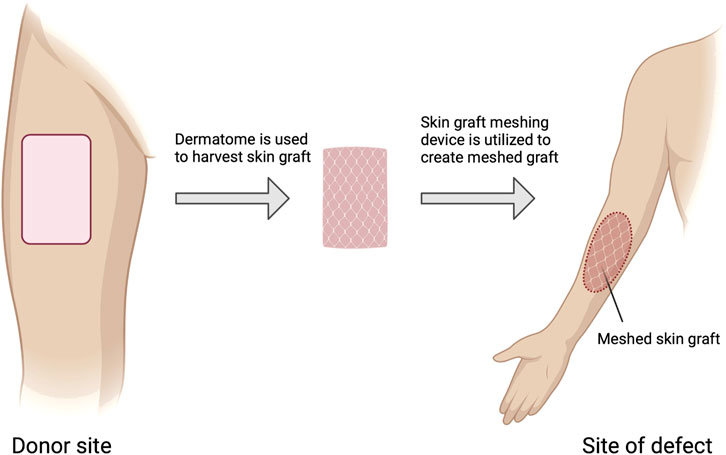
🌿 Overview: How Skin Senses and Responds—New Insights from 2023
A comprehensive review in Polymers highlights the crucial interplay between skin cells, mechanical forces, and innovative biomaterials. Focusing on zinc (Zn) and magnesium (Mg) alloys, the article reveals how these substances are redefining soft tissue implants and scaffolds in tissue engineering.
🧠 Why Skin Mechanics Matter
-
Mechanotransduction: Skin’s structural cells (like fibroblasts) detect physical stresses—such as stretch or compression—via special sensors (integrins, stretch-activated channels, cytoskeleton). These signals trigger cascades involving FAK and MAPK pathways, leading to collagen production, inflammation control, or cell migration.
-
Healing & Scarring: When mechanical signaling is dysregulated, outcomes can vary—ranging from poor regeneration (e.g., in diabetic ulcers) to excessive scarring. Effective scaffold design must work with these cellular mechanosensors to promote healthy repair .
🧩 Biomaterial Scaffolds: Matching Skin’s Mechanics
-
Zn/Mg Alloys: As biodegradable metals, zinc and magnesium are emerging as optimal scaffold materials. They:
-
Provide temporary mechanical support
-
Corrode at controllable rates
-
Are biocompatible and beneficial (e.g., supporting wound healing and cell growth).
-
-
Both metals are natural body elements that assist in gene regulation and cellular activity—making them especially promising for soft tissue engineering.
🔄 Role of Scaffolds in Tissue Engineering
-
Temporary Support: Scaffolds serve as structural templates, mimicking the extracellular matrix (ECM), and enabling cells to attach, proliferate, and organize.
-
Controlled Degradation: Ideally, the scaffold remains intact during healing, then gradually degrades as new tissue forms—without causing toxicity.
🧠 Focus on Skin Expansion
-
The review emphasizes tissue expansion techniques, where mechanical forces and biodegradable implants (like Zn/Mg devices) help generate extra skin—critical for reconstructive surgery and burn treatment.
-
Skin implants based on these metals may offer better integration, less scarring, and seamless replacement of the scaffold material by the body.
📈 Outlook & Design Principles
-
Alloy Engineering: Adjusting metal composition and microstructure to fine-tune corrosion and mechanical performance.
-
Scaffold Geometry: Designing porosity, stiffness, and structure to guide cellular organization via mechanical cues.
-
Surface Chemistry: Enhancing cell adhesion and tissue integration through coatings or nanoscale modifications.
-
Biofunctionality: Leveraging Mg/Zn’s physiological roles to support healing, even possibly integrating growth factors for pro-regenerative effects.
💡 Why It Matters
-
Bridging mechanobiology with biomaterial science, this review provides essential guidelines for designing the next generation of soft-tissue scaffolds—especially implants that assist and then disappear in tune with the body’s healing timeline.
-
Zn and Mg stand out as intelligent choices: they don’t just fill space—they actively support function, regeneration, and safe resorption.
📖 Full article: https://pmc.ncbi.nlm.nih.gov/articles/PMC11747595/

No comment