
 English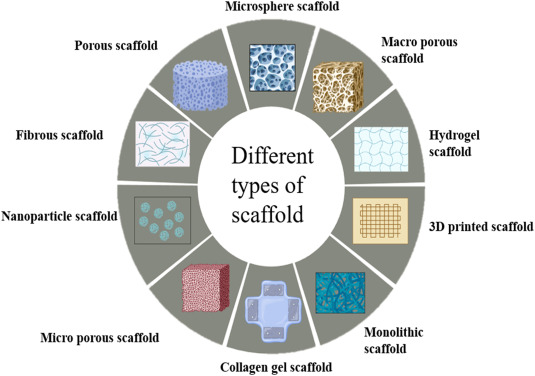
🧬 Biomaterial Scaffolds: Revolutionizing Skin Tissue Regeneration
Severe skin injuries remain one of the biggest challenges in modern medicine—despite numerous clinical efforts and therapies. But a growing body of research points to one game-changing solution: biomaterials-based scaffolds.
🧠 Why Skin Still Needs Innovation
Large wounds, burns, and chronic ulcers often resist standard treatment. The body’s natural healing process can’t always keep up, especially when critical layers of skin tissue are lost. This is where tissue engineering comes in, offering synthetic yet biologically inspired solutions to support regeneration.
🧱 Scaffolds: The Backbone of Regenerative Healing
Biomaterial scaffolds are 3D structures designed to mimic the skin’s extracellular matrix. They act as platforms that:
-
Support cell growth and migration
-
Deliver drugs, genes, or stem cells
-
Gradually degrade as natural tissue replaces them
These frameworks form the foundation of next-gen wound healing strategies, giving cells a place to thrive while accelerating repair.
🔬 What’s Inside the Scaffold?
Modern scaffolds aren’t just passive carriers—they’re bioactive environments. The materials used (e.g. collagen, chitosan, alginate, or synthetic polymers) can be customized for:
-
Biodegradability
-
Moisture retention
-
Oxygen permeability
-
Compatibility with growth factors or immune modulators
Advanced designs may include nanomaterials, making scaffolds smarter, more responsive, and better suited to complex healing needs.
🧪 Nanotech Meets Skin Repair
The review emphasizes recent breakthroughs in nanotechnology, which have added an exciting layer to scaffold design. Nanomaterials can:
-
Speed up healing
-
Reduce infection
-
Deliver targeted therapies at the cellular level
This opens the door to personalized skin constructs that match patient needs down to the molecular scale.
🔄 The Future: Dynamic, Bioactive Skin Constructs
Skin tissue engineering is shifting from simple wound coverage to active regeneration platforms. The integration of porous, degradable scaffolds with living cells is enabling more natural, seamless repair. And with ongoing innovation, these scaffolds may soon become standard for treating everything from diabetic wounds to post-surgical healing.
📖 Full article: https://doi.org/10.1016/j.jtv.2025.100858

No comment