
 English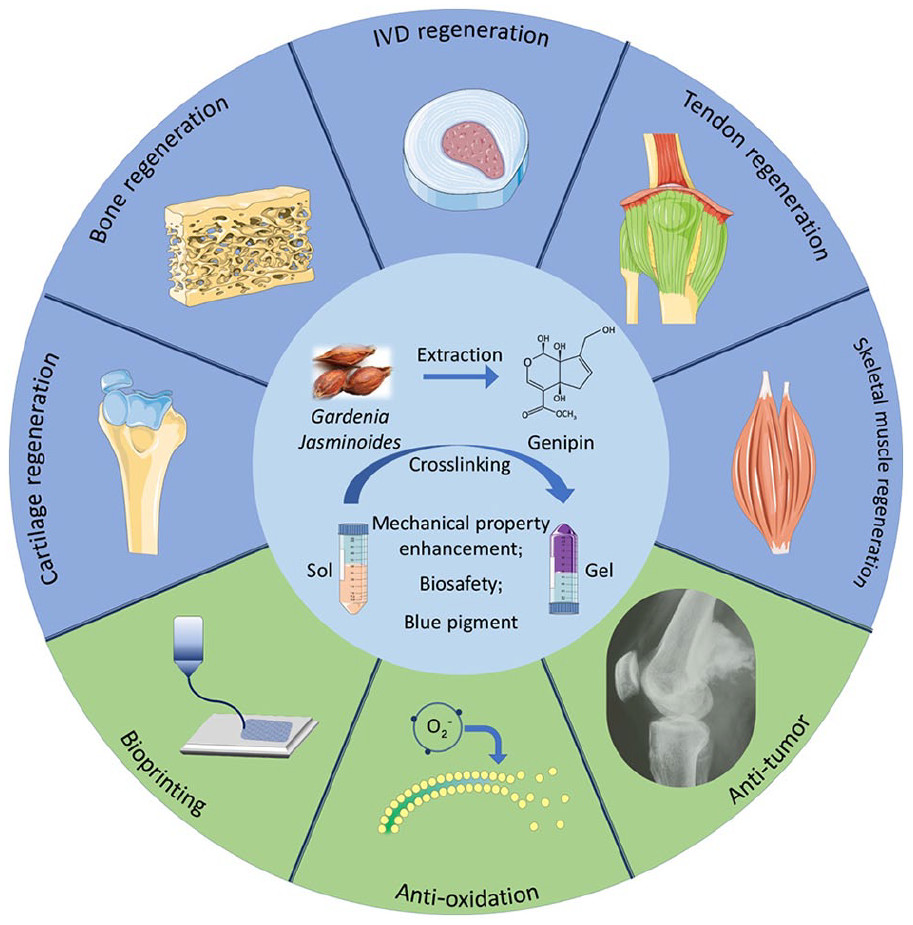
🧠 Rebuilding Nerves: The Next Generation of Natural Nerve Conduits
Peripheral nerve injuries are tough to fix, especially when a big gap needs to be bridged. Autografts—using the patient’s own nerves—are still the gold standard, but they come with major drawbacks like limited availability and possible loss of function where the nerve was taken.
🔬 Why New Solutions Are Needed
Synthetic nerve conduits are strong and customizable, but they don’t always “talk” well with the body and can trigger unwanted reactions. On the flip side, natural materials are more biocompatible but often degrade too quickly or lack the strength needed for real-world repair.
🧩 Biogenic Conduits: Inspired by Nature
One cool bioengineering method? Letting the body make conduits! By putting a mold under the skin, scientists can get animals to “grow” a natural, extracellular matrix-based tube—called a biogenic conduit. These have real promise for helping nerves regrow and reconnect.
⚡ The Catch: Timing is Everything
Here’s the problem: This natural process takes time, and real-life injuries need quick fixes—nerve repairs work best if done within two days. So while these natural conduits work in planned experiments, they aren’t practical for emergency use (yet!).
🛠️ A Smarter Scaffold: Genipin Crosslinking
This new research is focused on making biogenic conduits stronger and longer-lasting, using a natural crosslinker called genipin. This approach could turn these custom “biological tubes” into a readymade product, offering faster and safer healing for nerve injuries—without some of the problems of old-school grafts and synthetics.
🌟 Future Outlook
If successful, genipin-crosslinked biogenic conduits might bridge the gap (literally!) between synthetic and natural repair, helping more patients regain nerve function after injury.
📖 Full article:
https://www.sciencedirect.com/science/article/pii/S0753332225002586

No comment