
 English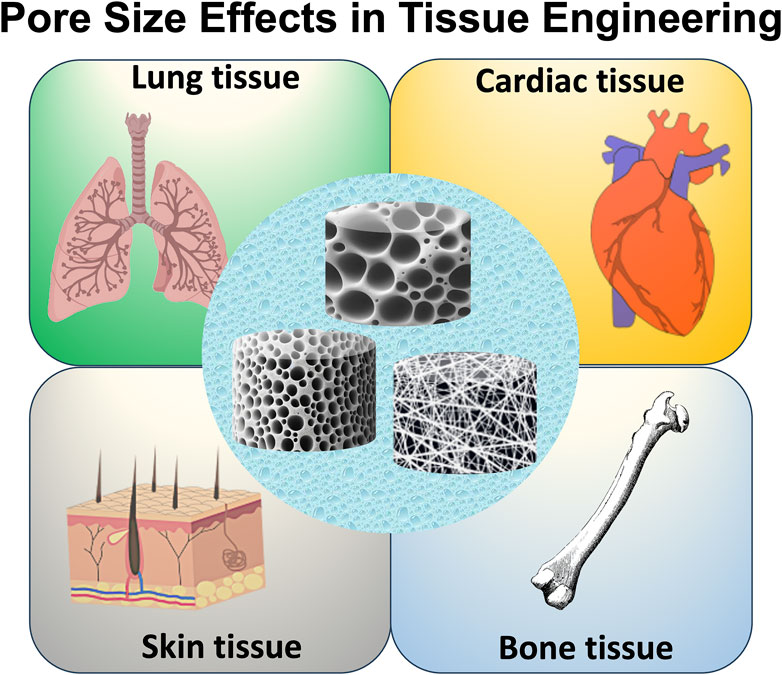
🧩 The Perfect Pore: Why Scaffold Pore Size Matters in Tissue Engineering
When it comes to building new tissues in the lab, not all scaffolds are created equal! The size and connectivity of the pores inside these 3D structures can make or break the process of tissue regeneration.
🏗️ Scaffolds: More than Just a Template
Scaffolds act as frameworks for cells to stick, grow, and organize themselves—while letting in nutrients and oxygen and removing waste. For this to work well, scaffolds need lots of interconnected pores… but the size of these pores is key.
🔬 Pore Size = Cell Performance
- If pores are too small: cells can’t migrate through or get enough nutrients.
- If pores are too big: you lose structure and might not support certain cells as well.
- The ideal pore size? It totally depends on what tissue you’re trying to make—skin, bone, blood vessels, or lungs—each has different needs.
💡 Striking the Right Balance
Designing the “perfect” scaffold is a balancing act between:
- Mechanical strength
- Biological compatibility
- Proper diffusion (nutrients/oxygen in, waste out)
- Supporting cell attachment & growth
The review shows that there’s no universal “best” pore size—what works for bone might flop for skin, and vice versa. Researchers are still searching for tailored solutions for every tissue type.
🔄 What’s Next?
Ongoing research is fine-tuning scaffold design, looking for just the right combination of pore size, porosity, and material to get the best outcomes for different tissues. Optimizing these tiny spaces could be the secret to building fully functional organs and tissues in the future.
📖 Full article:

No comment