
 English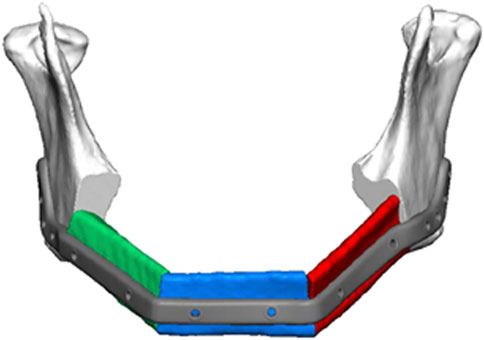
🦴 Custom 3D Printed Bioceramic Grafts: The Future of Bone Repair?
Repairing bone defects in the head and face (craniomaxillofacial region) is still a big challenge in medicine. So far, using a patient’s own bone is the gold standard, but it comes with lots of limitations and problems. That’s why scientists are now exploring advanced synthetic grafts.
🖨️ Additive Manufacturing (3D Printing) Saves the Day
3D printing technology lets us create highly accurate, patient-specific bone grafts layer by layer. These custom-made bioceramic structures are designed to:
- Support cell growth and migration, plus blood vessel formation (angiogenesis)
- Guide new bone formation (osteogenesis)
- Slowly degrade as new bone replaces them
This makes them one of the best synthetic options for bone grafting.
🌟 Personalization is the Game Changer
This review highlights the latest advances in using 3D-printed bioceramic scaffolds for personalized bone reconstruction in the jaw and skull. Key points:
- Bioceramic Materials: What ceramic types are being used?
- Scaffold Design: How the macro and micro features are optimized for better performance.
- 3D Printing Techniques: Focus on material extrusion methods.
- Workflow: Step-by-step process, from digital design to the final printed graft.
- In Vitro Models: How lab testing helps us understand cell behavior and signaling with these materials.
🚀 Real Clinical Potential
The article emphasizes the real-world possibilities and future of personalized bioceramic grafts for regenerating facial and cranial bones. These tailored, 3D-printed solutions could seriously change the game in bone defect treatment!
📖 Full article:

No comment