
 English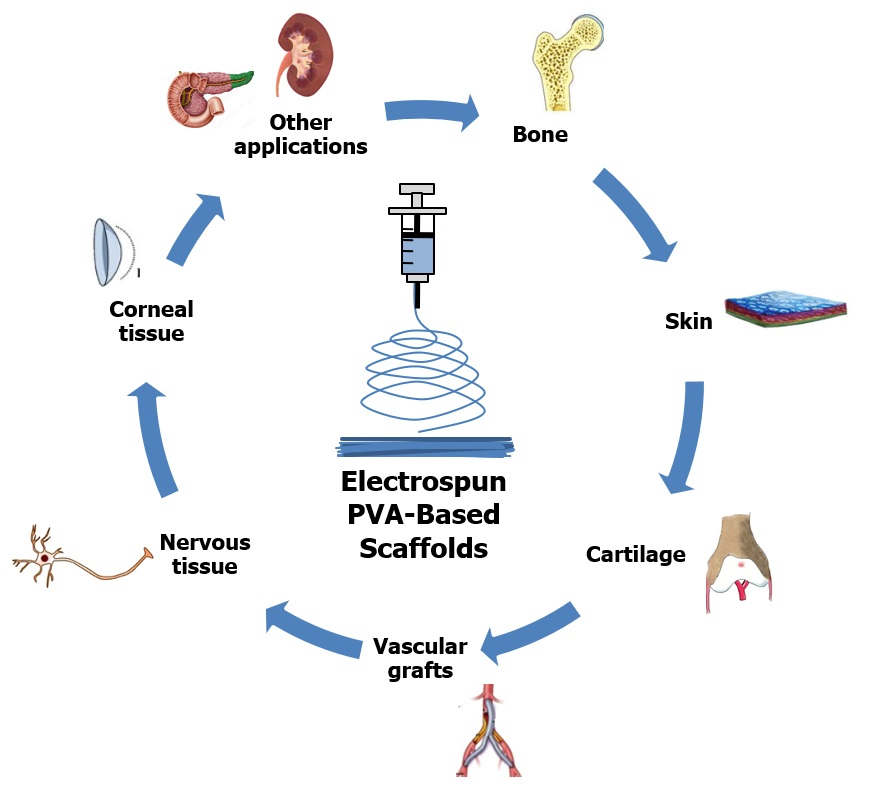
🧪 Smart Transparent Scaffolds: A Step Forward in Tissue Engineering
A new study explores how tweaking a simple polymer blend can lead to transparent, biocompatible scaffolds ideal for tissue regeneration—especially in sensitive areas like the eye and nervous system.
🔍 What’s the Innovation?
Researchers engineered a membrane scaffold made from polyvinyl alcohol (PVA) and starch (ST), enhanced with sodium dodecyl sulphate (SDS)—a surfactant commonly used to modify surface texture. The aim? To strike the perfect balance between transparency, surface roughness, and cell friendliness.
⚙️ How They Did It
Three types of membranes were developed:
-
All with the same PVA:ST ratio (9:1 by weight)
-
But with different levels of SDS: 0%, 2%, and 4% of the total polymer content
-
The scaffolds were created using a freeze-drying method, which preserves structure while keeping materials porous.
🔬 What They Found
-
Surface Morphology: SDS made the scaffold surfaces rougher—ideal for better cell adhesion.
-
Water Retention & Transparency: Despite the added roughness, the membranes remained transparent and could retain moisture, both key traits for biological use.
-
Biocompatibility: None of the membranes showed cytotoxic effects. In fact, they promoted cell proliferation.
🧫 Who Benefited Most?
Scaffolds with 4% SDS outperformed the others. They significantly improved the attachment, migration, and growth of Mouse Embryonic Fibroblasts (MEFs)—a common model for regenerative medicine studies.
🌱 Applications Ahead
Thanks to their combination of optical clarity, biocompatibility, and cell-friendly texture, these membranes show strong potential for:
-
Corneal regeneration
-
Wound dressings
-
Neural tissue engineering
This makes SDS-enhanced PVA:ST membranes a promising new material in the world of soft-tissue bioengineering.
📖 Full article: https://www.sciencedirect.com/science/article/pii/S2949822824000455

No comment